Open Reading Frame (ORF)
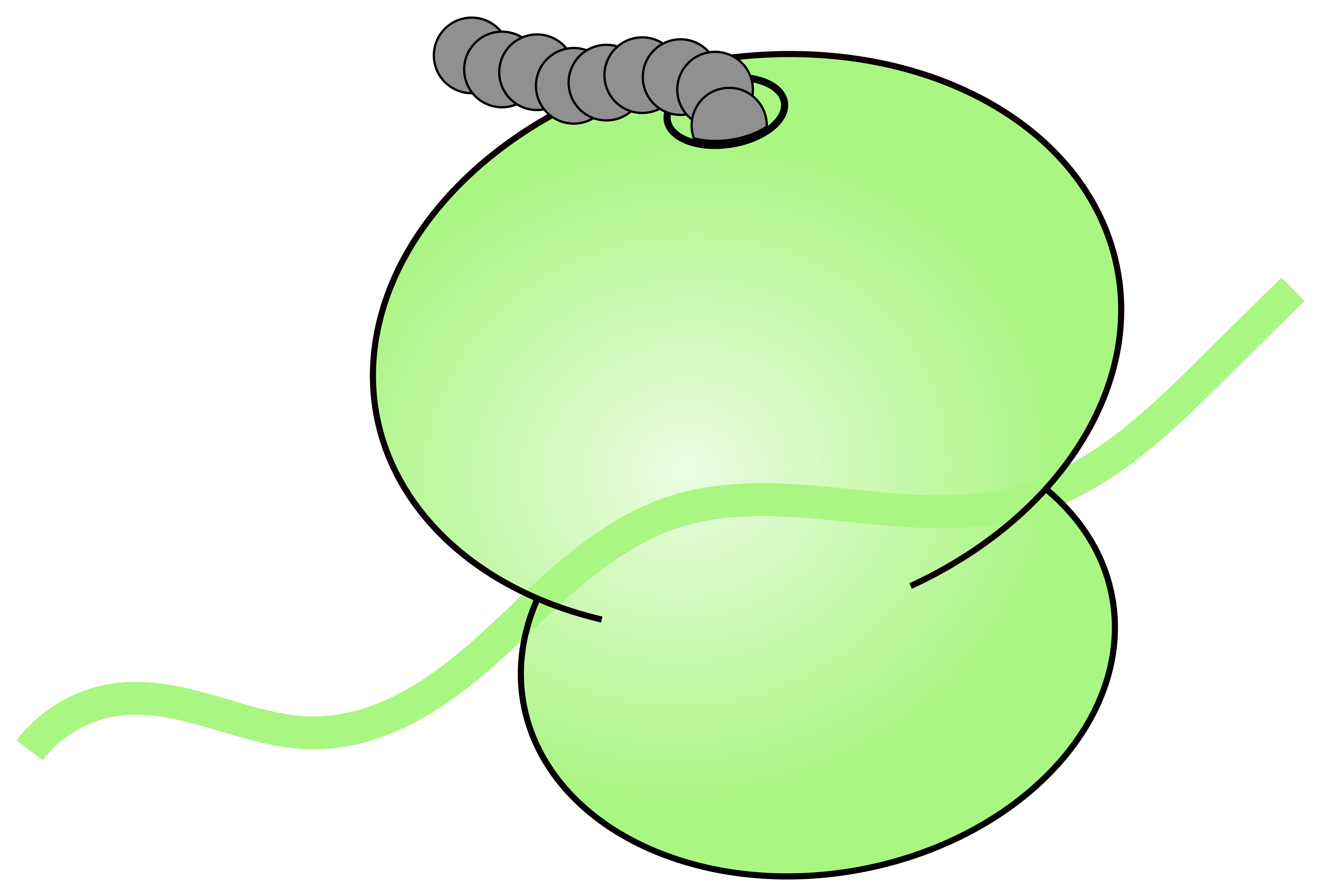
ORF
ID CARD
MetamORF ID
3310864
Chromosome
11
Strand
+
Start-stop positions
118365081-118396440
Nucleic length (bp)
3222
Sequences
Nucleic sequence
ATG ...
Amino acid sequence
MTD ...
Spliced: Yes
Exons
19
Exons start-end
118365081-118365201
118368631-118368804
118369423-118369535
118371514-118371666
118372507-118372687
118373086-118373288
118373494-118373685
118374896-118375229
118376574-118376694
118379446-118379750
118381391-118381523
118382589-118382776
118384635-118384735
118384832-118384945
118386438-118386612
118389725-118389905
118390657-118390804
118392738-118392895
118396314-118396440
Genome browsers
Transcripts
1 known transcript
|
MetamORF transcript ID The MetamORF ID of the transcript. This is an arbitrary ID that does not correspond to any official (Ensembl, NCBI...) transcript ID or external reference. |
Transcript ID The official transcript ID (usually an Ensembl ID, e.g. ENST00000395565). |
Transcript biotype
The biotype of the transcript (as defined by Ensembl). |
Gene ID
The gene ID. Usually the HGNC ID for H. sapiens genes and the NCBI ID for M. musculus genes. |
Relative positions The relative positions of the start and stop codons of the ORF on the transcript. |
Identification
The method of identification used to identify the ORF. MetamORF currently integrates data from three main type of identification methods: bioinformatic predictions, ribosome profiling experiments and mass spectrometry experiments (either proteomics or proteogenomics). See the data sources section of the advances documentation for more information about this. |
Start flanking sequence The sequence flanking the start codon of the ORF on the transcript. This sequence registered the nucleotides from -6 to +4 positions, where +1 corresponds to the first nucleotide of the ORF start codon. |
Kozak context The Kozak context computed by our algorithm for the ORF on the transcript. See the Kozak contexts section of the advanced documentation for more details regarding the nomenclature we use. |
Exp. count The number of original datasets that identifed the ORF on the transcript. |
Data sources
The data sources in which the ORF has been identified. Click on the button to display all the original IDs in a pop-up. See the data sources section of the advanced documentation for more details regarding the information related to the data sources and the original ORF IDs. |
ORF annotations A comma-separated list of the annotations computed by our algorithm for the ORF on the transcript. See the section dedicated to ORF annotations in the advanced documentation for more details regarding the nomenclature we use. |
Cell types
A comma-separated list of the cell types in which the ORF has already been identified on the transcript. |
| 3310859 | UNKNOWN_TRANSCRIPT | HGNC:12499 | - |
Ribo-seq |
1 |
Erhard2018
|
|
HFF
|
|||
| 6692 | ENST00000431736 | protein_coding | HGNC:12499 | - |
Ribo-seq |
1 |
Johnstone2016
|
|
Brain_tumor,
HEK293, HeLa, HFF |
Export data