Open Reading Frame (ORF)
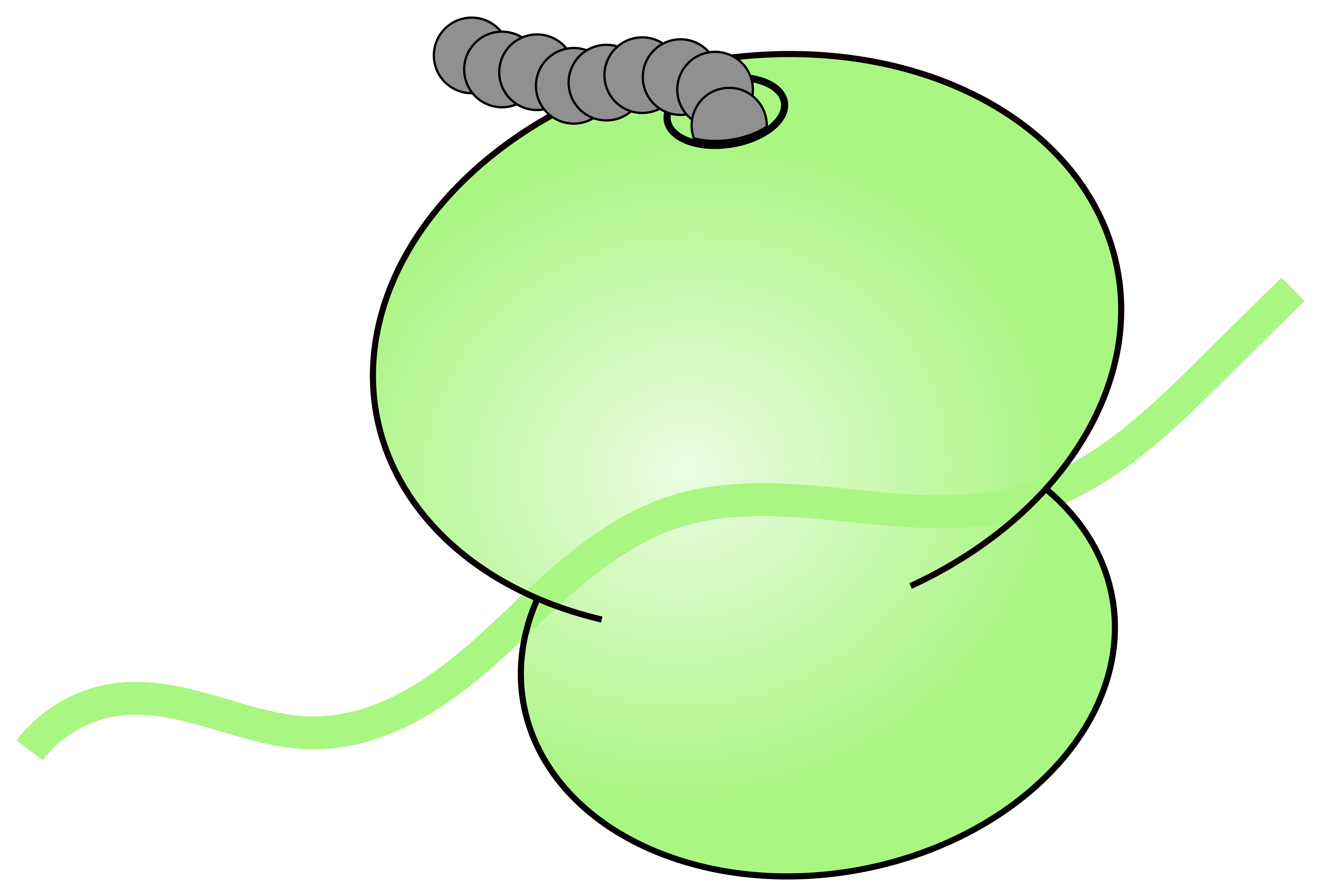
ORF
ID CARD
MetamORF ID
3299581
Chromosome
10
Strand
+
Start-stop positions
73998208-74118169
Nucleic length (bp)
3405
Sequences
Nucleic sequence
ATG ...
Amino acid sequence
MPV ...
Spliced: Yes
Exons
22
Exons start-end
73998208-73998375
74043083-74043153
74070670-74070820
74070975-74071083
74072730-74072852
74074743-74074903
74082454-74082544
74083366-74083513
74089196-74089349
74090023-74090198
74094271-74094461
74095656-74095855
74097204-74097332
74100948-74101097
74103820-74103928
74105051-74105353
74107230-74107354
74108971-74109156
74111909-74112112
74114184-74114387
74114795-74114899
74118023-74118169
Genome browsers
ID
Aliases
ENSG00000035403
HGNC:12665,
NCBI:7414,
OFF:VCL
VCL
Transcripts
1 unknown transcript
|
MetamORF transcript ID The MetamORF ID of the transcript. This is an arbitrary ID that does not correspond to any official (Ensembl, NCBI...) transcript ID or external reference. |
Transcript ID The official transcript ID (usually an Ensembl ID, e.g. ENST00000395565). |
Transcript biotype
The biotype of the transcript (as defined by Ensembl). |
Relative positions The relative positions of the start and stop codons of the ORF on the transcript. |
Identification
The method of identification used to identify the ORF. MetamORF currently integrates data from three main type of identification methods: bioinformatic predictions, ribosome profiling experiments and mass spectrometry experiments (either proteomics or proteogenomics). See the data sources section of the advances documentation for more information about this. |
Start flanking sequence The sequence flanking the start codon of the ORF on the transcript. This sequence registered the nucleotides from -6 to +4 positions, where +1 corresponds to the first nucleotide of the ORF start codon. |
Kozak context The Kozak context computed by our algorithm for the ORF on the transcript. See the Kozak contexts section of the advanced documentation for more details regarding the nomenclature we use. |
Exp. count The number of original datasets that identifed the ORF on the transcript. |
Data sources
The data sources in which the ORF has been identified. Click on the button to display all the original IDs in a pop-up. See the data sources section of the advanced documentation for more details regarding the information related to the data sources and the original ORF IDs. |
ORF annotations A comma-separated list of the annotations computed by our algorithm for the ORF on the transcript. See the section dedicated to ORF annotations in the advanced documentation for more details regarding the nomenclature we use. |
Cell types
A comma-separated list of the cell types in which the ORF has already been identified on the transcript. |
| 3299579 | UNKNOWN_TRANSCRIPT | - |
Ribo-seq |
1 |
Erhard2018
|
|
HFF
|
Export data